May 12, 2026
Cost of charging an electric car for 100 km: how much do you really spend?

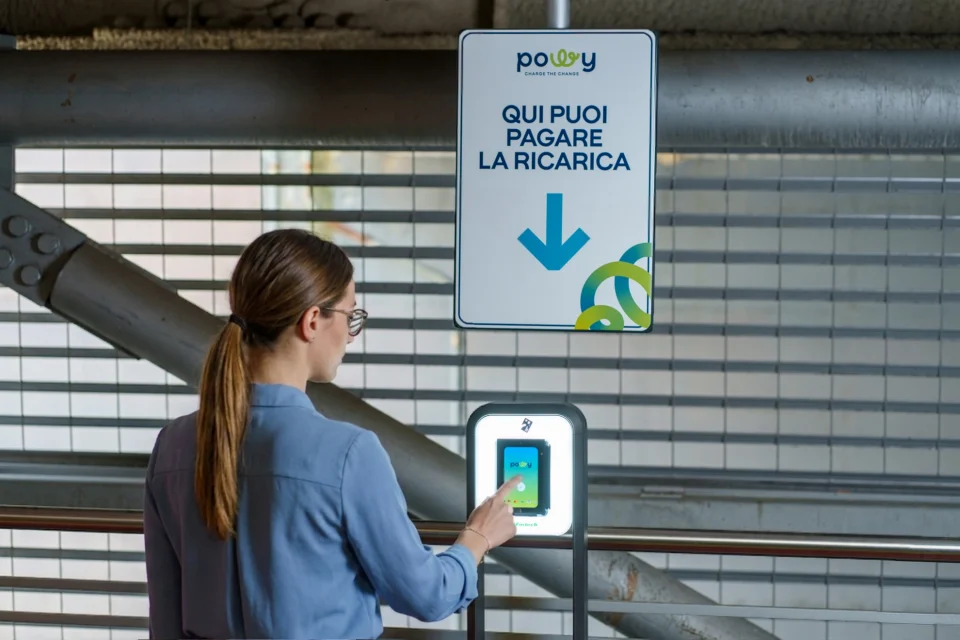


When it comes to electric cars, the question that always comes up is this: how much does it really cost compared to gasoline? There’s no single answer, because the cost of charging depends on where you charge, at what time of day, and with which provider.
But in most cases, the numbers still favor electric vehicles, and in some scenarios, the difference compared to traditional fuels becomes quite significant. To address this issue seriously, however, we must move beyond slogans and oversimplifications: we need concrete data based on actual consumption, real-world rates, and daily usage habits.
Before talking about costs, it’s important to understand how much energy an electric car consumes. The market average is between 15 and 20 kWh per 100 km, with significant differences between a compact city car and a high-end SUV. A Fiat 500e consumes about 14–15 kWh/100 km; a Tesla Model Y averages 17–19 kWh/100 km; an SUV like the BMW iX can reach 22–25 kWh/100 km on the highway.
These figures also vary depending on the season, driving style, and use of the air conditioner. In winter, when temperatures drop below 5°C, fuel consumption can increase by 20–30% compared to the stated average. In summer, with the air conditioner running at full power, the increase is smaller but still noticeable. This is a factor to keep in mind when calculating annual costs.
This figure—kWh per 100 km—is the key factor: the lower it is, the cheaper charging is, regardless of where or how you do it.
To make sense of the figures below, it’s helpful to have a fixed point of reference. A gasoline-powered car with an average fuel consumption of 6 liters per 100 km, at €1.75 per liter, costs €10.50 to travel 100 km. With a fuel consumption of 7 liters per 100 km—a more realistic figure for many mid-size cars—the cost rises to 12.25 euros. In the following paragraphs, each scenario is compared to this benchmark.
Those who charge at home, using a wallbox or a reinforced household outlet, generally benefit from lower rates. With a two-tier nighttime rate of around 0.10–0.15 euros/kWh, the cost per 100 km drops to 1.50–3 euros. Even with the standard flat rate of 0.20–0.25 euros/kWh, the cost is a maximum of 5 euros per 100 km. The savings compared to gasoline are in the range of 50–85%, depending on the vehicle and the rate applied.
Homeowners with a solar power system can further reduce costs during the middle of the day, especially in the spring and summer months. In these cases, the actual cost per kWh can drop significantly, although the depreciation of the panels must be factored into the overall calculation. It should be noted, however, that this option is not available to everyone. Those living in apartment buildings without access to a private parking space, those who rent, or those who cannot install a wallbox must rely almost entirely on the public grid.
Slow or semi-fast public charging stations (7 to 22 kW) are the most widespread across the country: they can be found in municipal parking lots, supermarkets, shopping centers, paid parking areas, and increasingly in apartment building garages. The average rate ranges from €0.30 to €0.70 per kWh, bringing the cost to about €6–10 per 100 km.
It’s not the absolute cheapest option, but it’s still competitive compared to gasoline, especially if you take advantage of stops you’ve already planned for the day. Do you park for two hours at the supermarket? With a 22 kW charging station, you can easily regain 30–40 km of range without spending any extra time charging.
Fast-charging stations (50–150 kW) are typically located at highway exits, in medium- and large-scale shopping centers, and at urban gas stations. The average rate ranges from 0.65 to 0.90 euros/kWh, bringing the cost to 11–15 euros per 100 km. At these levels, the economic advantage over gasoline narrows significantly: the savings are reduced to just a few euros per 100 km and, for vehicles with energy consumption above 20 kWh/100 km, can disappear entirely.
The real value of fast charging isn’t the cost savings, but the speed: in 20–25 minutes, you can regain 150–200 km of range, making this mode ideal for road trips or when you’re in a hurry. Using it as your daily charging method, however, means giving up much of the savings that made electric vehicles appealing in the first place.
Charging stations with a capacity of 150 kW or more, found at major highway rest areas, charge the highest rates: between €0.80 and €0.99 per kWh, with a cost per 100 km that can reach €14–17, which is essentially on par with gasoline and, in some cases, slightly higher for vehicles with higher fuel consumption.
The context, however, completely changes the perspective. On the highway, there are no practical alternatives, and what you’re paying for isn’t just energy, but also speed and the continuity of your journey: in 15–20 minutes, you can go from a 20% to an 80% charge. For those who occasionally make long trips, this is a perfectly acceptable compromise. For those who drive on the highway every day, however, it’s worth planning your stops more carefully to systematically avoid the most expensive charging stations.
If we try to sketch out a realistic scenario for the average driver who travels 15,000 km a year, using a mix of home charging, public AC a few fast-charging sessions, the annual “fuel” cost for an electric car generally ranges from about 500 to 1,500 euros, depending on the extent of home charging and the use of the public charging network.
The same mileage in a gasoline-powered car that gets 6–7 liters per 100 km costs between €1,500 and €1,900 per year at current prices.
The cost gap narrows if you use fast charging frequently on the highway, but even in the worst-case scenario— with heavy reliance on public charging and no access to a home outlet—electric vehicles are generally less expensive on an annual basis. This is especially true given that routine maintenance costs are inherently lower: no engine oil, filters, timing belts, or clutches.
To save money on an electric car, it’s not enough to just look at the price per kWh—how and when you charge it also matters. Certain habits can make a real difference in the final cost.
With Powy charge your vehicle using 100% renewable energy and transparent rates, with no hidden costs. Find the station nearest you and compare prices in real time.
The rates listed in this article are indicative averages, calculated based on market data updated as of May 2026. The actual cost of charging may vary depending on the chosen provider, the charging method, any roaming charges, parking fees, subscriptions, discounts, or other applicable commercial terms. The consumption figures listed per 100 km are also average values: actual range depends on the vehicle model, battery efficiency, driving style, and conditions of use, including outside temperature and use of climate control systems.
Those who don’t have a private parking space or can’t install a wallbox must rely on the public charging network. In this scenario, the annual cost may be higher than that of home charging, but in most cases it is still lower than the cost of gasoline.

Powy a company that owns, develops, and manages Italy's leading independent network of public charging infrastructure for electric vehicles.
Founded in Turin, Italy in 2018, Powy is at the center of the transition to more sustainable mobility, offering an innovative charging infrastructure that uses only 100 percent renewable energy.
Powy 's network includes quick, fast, and ultra-fast charging solutions strategically placed in public and private parking lots, supermarkets, shopping malls, and transportation hubs to ensure maximum convenience and accessibility for EV drivers. Each station is equipped with advanced technologies to provide a reliable and efficient charging experience.
Learn more: wpowy.energy