August 7, 2026
Installation of Charging Stations in Hotels: Technical and Regulatory Requirements

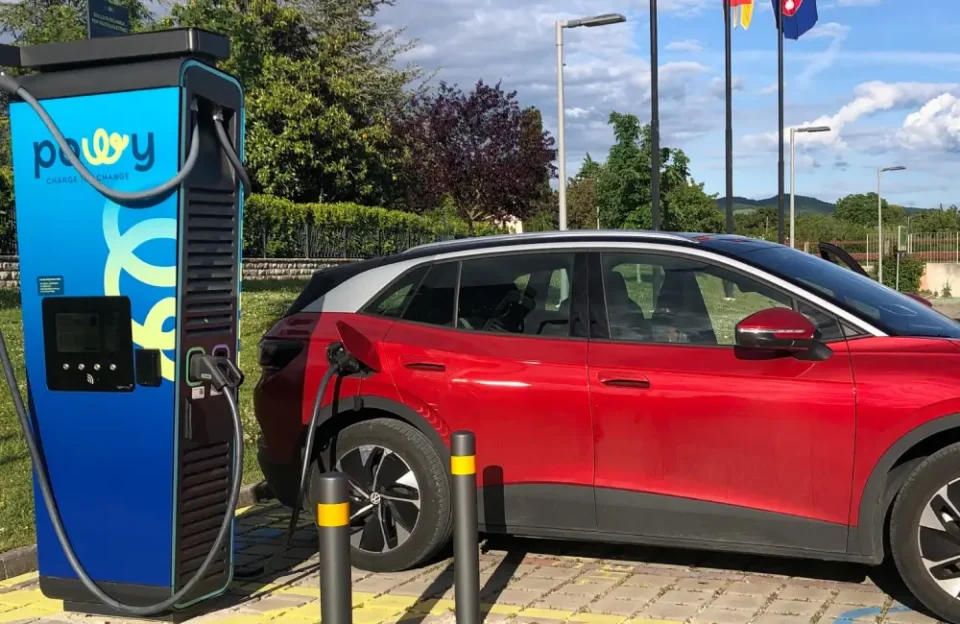


Offering electric vehicle charging is no longer just a courtesy “extra,” but an increasingly important factor in business and travel customers’ choice of accommodation, as well as a factor that can contribute to the quality of their experience and their reviews on booking sites.
For owners and operators of hotels and lodging facilities, however, planning the installation requires a clear understanding of legal requirements, design choices, and operational efficiency.
Before laying any cables, it is essential to conduct a feasibility study that takes into account:
A proper initial assessment makes it possible to design an infrastructure that is tailored to the facility’s actual needs and prepared for any future expansions.
The amount of power required depends on the type of stations selected and whether they are used simultaneously.
In Italy, the requirements for the planning and installation of charging infrastructure stem primarily from Legislative Decree 48/2020, which transposed Directive (EU) 2018/844 (EPBD II), as well as from the national regulatory framework governing infrastructure for alternative fuels.
Specific exemptions and exclusions identified by the regulations apply and must be assessed on a case-by-case basis. To ensure proper compliance with these requirements, it is always advisable to consult with a licensed electrical engineer and verify any supplementary regional or municipal regulations.
For a standard hotel (30–50 rooms), a common initial configuration includes:
This configuration is intended as a design guideline and does not replace the verification of the legal requirements described above, which depend on the number of parking spaces, the type of construction project, and applicable regulations. The ideal configuration must, in any case, be determined through a technical analysis of the site.
| Parameter | AC Charging (AC) | Direct Current Charging (DC) |
| Typical power | 7.4 kW – 22 kW | 30 kW – 100+ kW |
| Charging time (10–80%) | 3–6 hours | 20–40 minutes |
| Ideal Use Case | Overnight Parking for Hotel Guests | Transient guests, restaurant patrons, meetings, spa |
| Impact on the facility | Low / modest | Medium / High |
| Selected Type | Recommended for most hospitality-related cases | Strategic Design Choice for Rapid Services |
AC charging is generally the most suitable solution for hotels because it takes advantage of guests’ longer stays. DC charging, on the other hand, can be a strategic option for facilities with high daily foot traffic, services open to the public, or locations near major thoroughfares.
Regulatory compliance is essential to ensure the safety and protection of the operator.
If the hotel’s parking facility is subject to Fire Department inspections (for example, covered parking garages with an area greater than 300 m² or establishments such as hotels with parking garages), the installations must comply with the guidelines set forth in Fire Department Circular No. 2 of November 5, 2018.
In parking garages subject to fire department inspections, installations must comply with applicable regulations; in practice, dedicated Mode 3 charging infrastructure (wallbox or charging station with a cable or specific outlet) is the solution typically adopted. The assessment must be conducted on a case-by-case basis, depending on the characteristics of the parking facility (covered/uncovered, area, presence of fire hydrants) and the existing systems.
Installing the charging stations is just the first step: the real challenge lies in the day-to-day management of the service. Providing charging services means taking on the responsibility for 24/7 operations, tax regulations, and ongoing maintenance.
Under self-management, the hotel collects payments directly, but must handle a complex operational structure:
Partnering with a Charging Point Operator (CPO) allows the hotel to offer an industrial-grade service without any operational burden:
As a design guideline, many facilities initially allocate approximately 5–10% of the hotel’s total parking spaces for EV charging, while also ensuring the necessary infrastructure is in place to increase the number of charging points over the next 2–3 years without having to reopen construction sites. In addition to this design guideline, any minimum legal requirements for installation and setup—which depend on the number of parking spaces and the type of building—must always be met.
Under direct management, the hotel pays its energy supplier and decides independently how to charge guests for energy (or whether to provide it free of charge). If, on the other hand, management is entrusted to a CPO, the end user generally pays for charging directly to the operator via an app or other payment channels. The management of energy costs is contractually defined between the hotel and the CPO and may include, for example, a dedicated meter or mechanisms for reimbursement of consumption and revenue sharing.
In direct management, the responsibility for unplugging a cable or resolving a payment failure falls on the on-site staff or the front desk (who are often not trained to handle technical electrical issues). By relying on a CPO, the property is completely relieved of this burden: guests have access to a toll-free number with multilingual telephone support available 24 hours a day, 7 days a week. In addition, the CPO monitors the terminals remotely in real time, resolving most software issues remotely before the guest even notices them.
Not necessarily. A qualified CPO first conducts a feasibility study, analyzing the facility’s load curve and the available electrical power. In addition, they can integrate intelligent load management systems (Dynamic Load Management), which adjust the power allocated to charging in real time based on the hotel’s energy consumption. This prevents overloads during periods of peak energy demand (such as when air conditioning systems or kitchens are in operation), reducing the risk of power outages and, in most cases, limiting or eliminating the need for costly increases in contracted power capacity.

Powy a company that owns, develops, and manages Italy's leading independent network of public charging infrastructure for electric vehicles.
Founded in Turin in 2018, Powy is at the forefront of the transition to more sustainable mobility, offering an innovative charging infrastructure that uses only renewable energy.
Powy 's network includes quick, fast, and ultra-fast charging solutions strategically placed in public and private parking lots, supermarkets, shopping malls, and transportation hubs to ensure maximum convenience and accessibility for EV drivers. Each station is equipped with advanced technologies to provide a reliable and efficient charging experience.
Press Office: press@powy.energy