July 3, 2026
How Payments at Charging Stations Work: Apps, RFID, QR Codes, and Cards

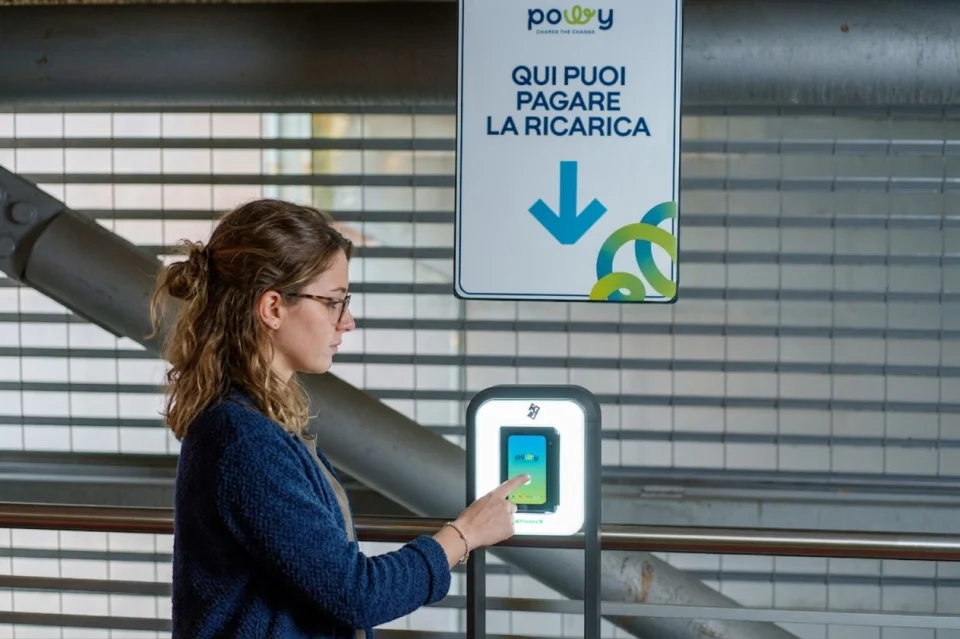


The transition to electric mobility brings with it a fundamental shift in habits that goes far beyond simply replacing the internal combustion engine. For those who have spent decades inserting bills into vending machines or handing their credit cards to the gas station attendant, the shift to the ecosystem of Charging Stations may initially raise doubts and concerns. Public charging stations don’t always have a central checkout counter, and the displays don’t work like those on traditional gas pumps.
The question naturally arises as soon as you get into a battery-powered vehicle: How, exactly, do you pay for the energy you use? The landscape of public charging has evolved rapidly, becoming much more flexible and integrated today than you might think. Here is a comprehensive and detailed overview of all the solutions available on the market.
To understand how payments work, we first need to clarify the architecture behind a charging station. There are two distinct players in the public charging market, and their collaboration ensures the provision of the service:
This distinction is the real strength of electric charging: thanks to interoperability agreements, users are not required to register with the platform of every single charging station operator, but can use a single digital solution to access tens of thousands of charging points throughout Italy and Europe.
In the current public network, there are four main payment methods:
| Method | Required Tools | Key Benefits | Ideal Use Case |
| Dedicated app | Smartphone with a data connection and a registered or guest account | Detailed tracking, digital receipts, automatic billing, remote monitoring | Daily urban charging, commuting, corporate fleet management |
| RFID Card / Key Fob | Physical device linked to your profile | It works instantly even without a mobile internet connection or when the battery is dead | Underground garages, multi-story parking garages, mountainous or remote areas |
| QR Code | Smartphone with a camera and a credit or debit card | No prior registration required, no app to download | Occasional drivers, foreign tourists, emergency situations |
| Contactless POS / Wallet | Physical bank card or smartphone (Apple Pay / Google Wallet) | Immediate and universal experience (European AFIR standard) | Short stops at high-power Fast and Ultra-Fast charging stations along the highway |
For those who use an electric vehicle every day, the smartphone app is the primary way to manage it. Once you’ve registered an account and saved a valid payment method (credit card, debit card, PayPal, or direct bank debit), the app becomes a full-fledged digital onboard computer.
The app allows you to:
The plastic card with an RFID (Radio Frequency Identification) chip or the corresponding small key fob are physical devices directly linked to the account created on the eMSP app.
Although it may seem like a return to physical media, the RFID card offers an irreplaceable advantage: independence from the mobile internet network. When you’re in underground parking garages, covered garages, Alpine valleys, or areas with poor 4G/5G coverage, your smartphone may not be able to communicate with the servers to activate the charging station. With the RFID device, simply tap the built-in reader on the charging station’s housing to unlock the socket and start the charging session in a fraction of a second.
Not all drivers want to download another app on their phone or go through the registration process to create a user profile, especially if they’re just taking an occasional trip or are abroad. For this reason, the public transit system almost always offers the option to pay via QR code.
Step-by-step procedure for recharging via QR code:
- Connection: Plug the charging cable into the charging station's outlet and the car's port.
- Scan: Point your smartphone's camera at the QR code printed on the station.
- Redirect: You will be automatically redirected to a secure web page (HTTPS encrypted connection).
- Data Entry: Manually enter the details of your credit, debit, or prepaid card.
- Authorization: Confirm the transaction using your bank's two-factor authentication (2FA). The top-up session will begin immediately.
In accordance with the European AFIR (Alternative Fuels Infrastructure Regulation), newly installed direct current (DC) fast- and ultra-fast-charging infrastructure must be equipped with a physical POS terminal for contactless payments.
This regulation aims to make the electric charging experience comparable to that of traditional fueling. All the user has to do is hold their physical credit or debit card—or a smartphone enabled with Apple Pay or Google Wallet—up to the POS terminal built into the charging station. Once the transaction is approved, charging begins immediately without the need for an app or browser.
Just as with mobile phone service when traveling abroad, the electric vehicle ecosystem relies on international roaming agreements.
Through interoperability platforms, an eMSP can connect its software to charging stations operated by dozens of different CPOs. This means that drivers can use a single trusted app (for example, Powy Charge) to unlock not only their own operator’s charging stations but also those installed by other operators throughout Europe, while maintaining a single billing method and unified reporting.
Although the technology is becoming increasingly robust, unexpected issues may arise during payment or startup. Here are the main ones and how to handle them:
Yes. You can use the POS terminal with a contactless card (at the DC charging stations) or scan the QR code printed on the charging station to pay via the website using a credit or debit card without having to register.
The RFID card is used to start and stop the charging session via proximity contact with the charging station. It is linked to your digital profile, but has the advantage of working even when there is no mobile internet coverage at all.
Roaming allows users of a particular service provider (eMSP) to charge at charging stations installed and operated by other network operators (CPOs) using the same app or card they normally use.
Yes, you can pay directly with a contactless credit or debit card at charging stations equipped with a POS terminal, or by entering your card information on the web page accessed via the QR code.
This is a payment method that allows occasional users to charge their electric vehicles without signing a contract or creating an account with the operator. Access to the service is provided directly through payment methods such as POS terminals or QR codes, with each charging session billed separately.

Powy a company that owns, develops, and manages Italy's leading independent network of public charging infrastructure for electric vehicles.
Founded in Turin in 2018, Powy is at the forefront of the transition to more sustainable mobility, offering an innovative charging infrastructure that uses only renewable energy.
Powy 's network includes quick, fast, and ultra-fast charging solutions strategically placed in public and private parking lots, supermarkets, shopping malls, and transportation hubs to ensure maximum convenience and accessibility for EV drivers. Each station is equipped with advanced technologies to provide a reliable and efficient charging experience.
Press Office: press@powy.energy