September 30, 2025
How Renewable Energy Communities revolutionize electric vehicle charging

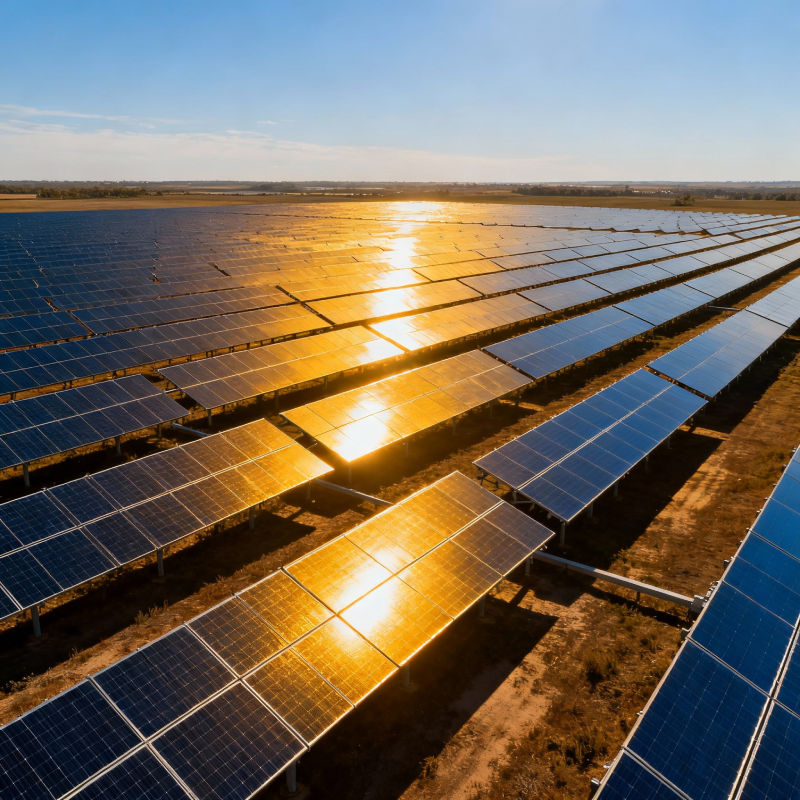


The energy transition and the large-scale adoption of electric vehicles are two drivers pushing toward a more sustainable future. In this scenario, Renewable Energy Communities (RECs) and electric car charging infrastructure emerge as a perfect match, capable of redefining the way we produce, consume and manage energy. This is not just an ecological choice, but a revolutionary model that promises concrete economic, social and environmental benefits.
A Renewable Energy Community (REC) is acollective initiative that unites citizens, small and medium-sized enterprises (SMEs), local governments, and nonprofit organizations. The goal is to self-produce and self-consume energy from renewable sources (mainly solar, but also wind or hydro) at the local level. Participants, located in a nearby geographic area, share the energy produced and manage it independently. This model not only reduces dependence on the national power grid, but also promotes acircular and decentralized economy, creating value for community members and the local area.
Combining an ERC with a network of electric vehicle charging points is a win-win solution on several fronts:
A significant example in Italy is the project initiated in the municipality of Magliano Alpi (Cuneo), which established the first Italian ERC, "Energy City Hall," in 2020. The project involves public buildings, households and local businesses with photovoltaic systems totaling 40 kW, aiming to meet the energy needs of the community.
In Spain, a case in point is the Crevillent Solar project in Alicante, which has installed more than 2 MW of photovoltaic panels on industrial roofs. The energy generated is shared among about 60 households and several small businesses, demonstrating how CERs can concretely support electric mobility and territorial sustainability.
Despite the clear advantages, large-scale implementation of this model presents some challenges:
Bringing Renewable Energy Communities and electric mobility together is not an opportunity, but a necessity to build a more efficient, resilient, and just energy system. Overcoming the current challenges is key to consolidating this model and making it accessible to all. As bureaucracy and technology are simplified, we will see a new era in which energy will be produced and consumed collaboratively, putting people and the future of the planet at the center.
The synergy between energy communities and electric mobility is the future. If you are a business, public administration or operator interested in seizing this revolution, Powy provides turnkey charging solutions. With amodular and flexible offering, we take care of every step: from planning and installation to complete maintenance and management of charging stations. Click below to find out more!
A Renewable Energy Community is an association of citizens, small and medium-sized businesses, public entities, and associations that voluntarily decide to join together to produce, consume, and share energy from renewable sources locally. Basically, it is a way to collaborate and manage sustainable energy together.

Powy a company that owns, develops, and manages Italy's leading independent network of public charging infrastructure for electric vehicles.
Founded in Turin, Italy in 2018, Powy is at the center of the transition to more sustainable mobility, offering an innovative charging infrastructure that uses only 100 percent renewable energy.
Powy 's network includes quick, fast, and ultra-fast charging solutions strategically placed in public and private parking lots, supermarkets, shopping malls, and transportation hubs to ensure maximum convenience and accessibility for EV drivers. Each station is equipped with advanced technologies to provide a reliable and efficient charging experience.
Learn more: wpowy.energy